
Commercial Real Estate in Santa Barbara, CA
Hard money loans for commercial real estate in Santa Barbara. Fast financing for State Street retail, Goleta tech flex, medical office, and downtown mixed-use. ABR and HLC-aware underwriting. Close in 10–14 days.
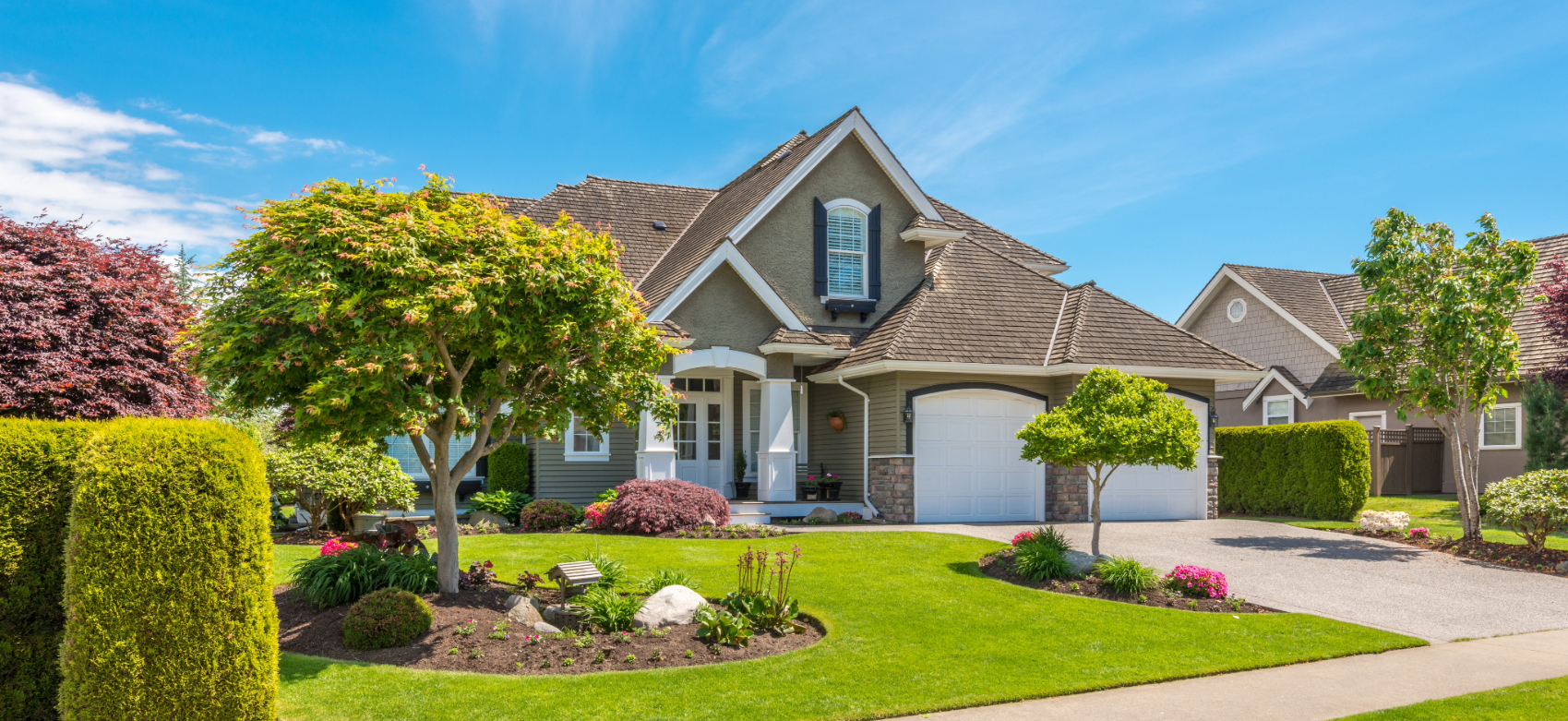
Commercial real estate in Santa Barbara County sits within a market defined by structural supply constraints and specific demand drivers that produce investment characteristics with few comparisons elsewhere on the California coast. Downtown State Street's retail and office corridor serves tourism, professional services, and government employment with a tenant mix that reflects the city's character rather than a standard suburban commercial pattern. Goleta's commercial districts house aerospace, technology, and UCSB-affiliated businesses in flex and R&D facilities that absorb demand from one of California's most productive research university economies. The medical office corridor near Cottage Hospital and Sansum Clinic generates long-term physician practice leases from an expanding healthcare system that anchors regional employment. Mixed-use development in the Funk Zone and lower State Street reflects the city's housing density push in a neighborhood that has gentrified substantially over the past decade.
Hard money commercial lending for Santa Barbara properties fills the gap that conventional bank timelines and underwriting criteria create. A sixty-to-ninety-day conventional commercial closing is incompatible with competitive acquisition environments, 1031 exchange deadlines, and distressed asset repositioning opportunities that require immediate commitment. An underwriting process that requires two years of audited operating history and 1.25x current DSCR disqualifies the value-add acquisitions that generate the best risk-adjusted returns. Santa Barbara Hard Money Lender Service closes commercial loans in ten to fourteen business days based on property value, investment thesis, and borrower experience — not institutional bank checklists that weren't designed for the deals that create the most value.
We finance commercial real estate across every major category in the Santa Barbara market: retail, office, medical office, Goleta flex and industrial, mixed-use combining residential and commercial components, hospitality, and special-purpose commercial properties. ABR design review, HLC historic overlay, and Coastal Commission considerations are part of how we underwrite these properties — not grounds for declining to finance them.
Service Applications
Value-add commercial acquisitions represent the primary application for hard money commercial loans in Santa Barbara. Investors acquire underperforming retail centers with below-market-rent tenants, vacant office buildings where the previous owner stopped leasing effectively, or industrial facilities in Goleta where deferred maintenance has kept rents below the market range. Hard money loans fund acquisition plus tenant improvement capital in a single facility, providing the investment capital to attract quality tenants at market rents and demonstrate stabilized NOI before permanent financing is arranged.
1031 exchange bridge financing solves the timing problem that destroys otherwise viable exchanges. When investors have sold their relinquished property and need to close on Santa Barbara replacement commercial real estate inside forty-five-day identification and one-hundred-eighty-day closing windows, conventional financing timelines are incompatible with exchange requirements. Hard money bridge loans close inside the exchange deadlines, protecting investors from the tax consequences of failed exchanges while providing time to arrange permanent bank or agency financing post-stabilization.
Distressed commercial asset acquisition requires financing flexibility that only private lenders provide. State Street storefront buildings with significant deferred maintenance, Goleta flex properties with terminated leases, or downtown mixed-use buildings where residential units above commercial ground floor are underoccupied — these represent value creation opportunities that institutional lenders decline based on current condition or occupancy. Hard money evaluates the repositioning thesis and post-improvement value, funding the acquisition and improvement capital for experienced commercial operators who know how to execute the turnaround.
Development and construction financing for commercial projects accommodates the pre-income phases of development that DSCR-based conventional lenders cannot finance. New commercial construction in Goleta's technology corridor, tenant improvement buildouts for medical office users near Cottage Hospital, or mixed-use development combining residential and commercial in the downtown core — these projects generate no income during the construction period. Hard money construction loans with interest reserves cover carry during the development phase, with repayment from lease-up income or permanent financing upon completion.
Common Challenges
Commercial investors in Santa Barbara face financing obstacles specific to this market. ABR and HLC review layers add four to eight months to permitting timelines for properties in affected areas — a timeline that's incompatible with conventional construction loan maturities and creates risk that disqualifies many institutional lenders who can't accommodate the uncertainty. Coastal Commission jurisdiction applies to commercial properties within a mile of the shoreline, adding environmental review requirements that extend timelines further. Each of these regulatory realities is underwritable — they just require lenders who understand the market rather than applying statewide templates that assume none of these constraints exist.
Lease rollover exposure is the most common conventional lender concern for Santa Barbara commercial properties. In a market where commercial tenants are often local businesses without investment-grade credit ratings, and where major anchor tenant departures can shift a retail center's economics meaningfully, banks apply conservative tenant credit overlays that disqualify value-add opportunities where lease improvement is the investment thesis. Hard money evaluates the investor's leasing capability and market knowledge rather than the current tenant roster's credit ratings.
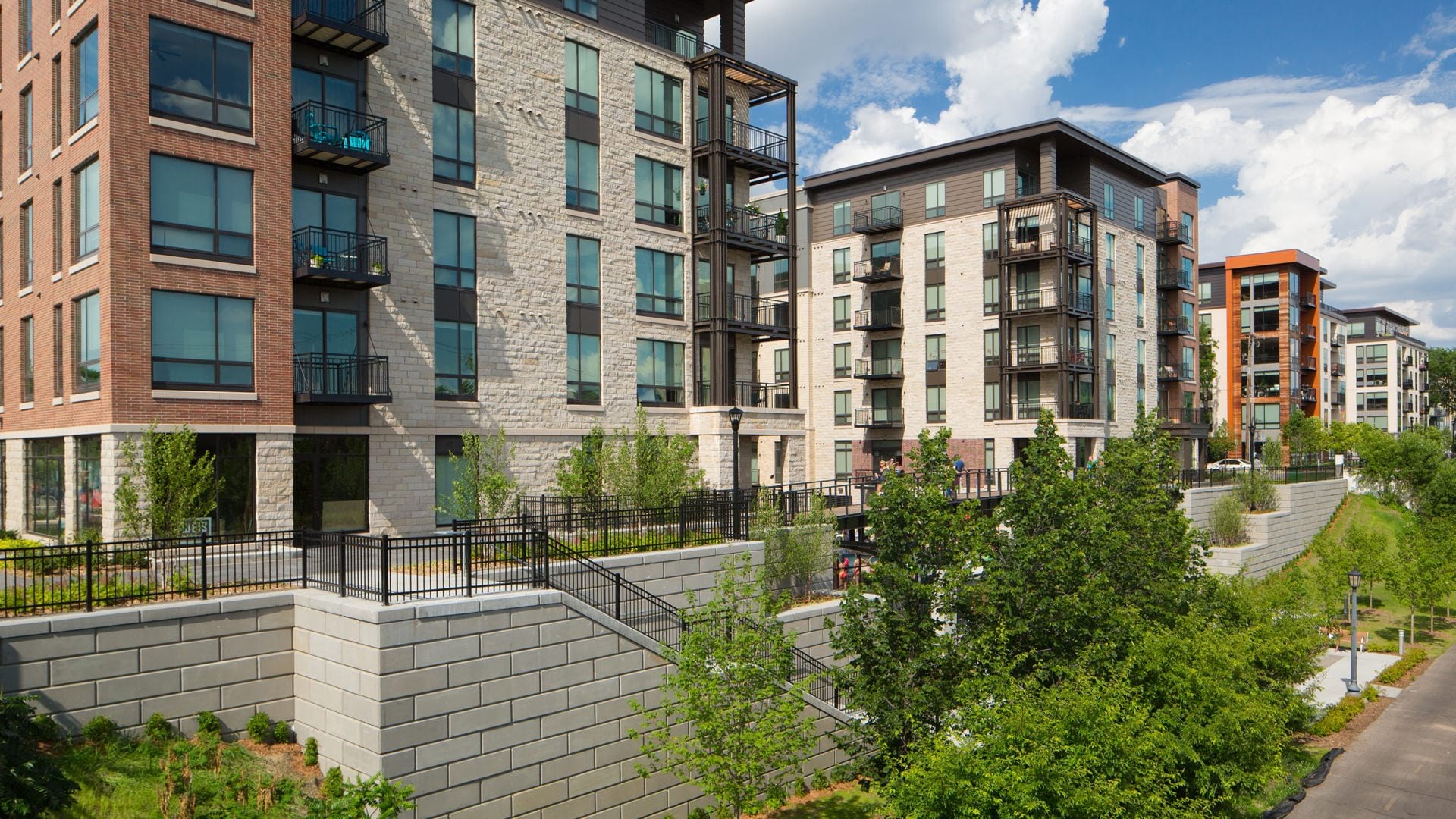
Mixed-use properties — a dominant commercial property type in Santa Barbara's urban core — don't fit cleanly into residential or commercial lending categories. The upper-floor residential units and the ground-floor commercial spaces require different valuation methodologies, different occupancy assumptions, and different financing structures. Hard money commercial lenders who understand mixed-use properties underwrite both income streams appropriately and structure financing for the hybrid asset — rather than forcing it into a template that misrepresents one component or the other.
Our Approach
Our commercial real estate underwriting starts with the investment thesis: what is the property worth today, what will it be worth when the repositioning or renovation is complete, and does the borrower have the experience and relationships to execute the plan? We analyze rent rolls, lease abstracts, operating statements, and market positioning alongside the physical property characteristics. For value-add properties, we evaluate the borrower's leasing track record and market knowledge — not just the current occupancy metrics that motivated sellers have priced in.
We structure commercial loans to match the cash flow trajectory of the underlying investment. Interest reserves cover debt service during vacancy repositioning or construction. Tenant improvement holdbacks release against verified completed work. Extension options are structured at closing with predetermined terms, so that legitimate permitting delays or leasing timelines don't force distressed disposition. Our experience with Santa Barbara's ABR, HLC, and Coastal Commission processes informs timeline assumptions that are realistic rather than optimistic.
Santa Barbara County's commercial landscape concentrates opportunity in distinct geographic zones. Downtown State Street is the premier retail, restaurant, and office destination, with the Funk Zone immediately east serving creative and hospitality businesses in a rapidly gentrifying neighborhood. Goleta's commercial corridors house technology, aerospace, and UCSB-adjacent businesses in flex and R&D facilities with different tenant economics than downtown Santa Barbara. The medical office corridor near Cottage Hospital at Pueblo Street generates physician practice and specialty clinic demand for owner-occupied and investment medical office. Carpinteria's light industrial and commercial strip serves South County manufacturing and logistics. Each submarket has distinct tenant types, lease structures, rental rate ranges, and appropriate investment strategies — and our commercial lending reflects those distinctions rather than applying generic Central Coast assumptions.
Frequently Asked Questions
What commercial property types do you finance in Santa Barbara County?
We finance retail centers and street-level retail on State Street and commercial corridors, professional office buildings and medical office near Cottage Hospital and Sansum Clinic, Goleta flex/R&D and light industrial, mixed-use buildings combining residential and commercial components, hospitality properties, and special-purpose commercial buildings. Both stabilized income-producing properties and value-add opportunities requiring repositioning, renovation, or lease-up are eligible. Properties subject to ABR, HLC, and Coastal Commission review are evaluated on their investment merits rather than declined based on regulatory complexity.
What loan-to-value ratios are available for commercial hard money loans?
Commercial LTV ratios typically range from 60–70% of current or stabilized value, depending on property type, tenant quality, and market conditions. Value-add projects with significant improvement components may qualify for up to 80% of total project cost, subject to a maximum of 70% of stabilized value. Cross-collateralization using additional Santa Barbara County commercial or residential properties can increase effective loan amounts for qualified borrowers with established portfolios.
How do you underwrite Santa Barbara commercial properties with ABR or HLC overlays?
ABR and HLC review processes add real timeline and cost complexity to commercial projects in affected Santa Barbara areas — we underwrite around those realities rather than ignoring them or treating them as disqualifiers. Specifically, we build adequate permitting timelines into loan terms, include contingency budgets for design revision rounds that ABR review commonly requires, and structure extension options at closing that acknowledge the possibility of HLC consultation extending the review period. Properties in these overlay zones are eligible for commercial hard money financing; the underwriting simply needs to reflect the environment accurately.
Can you accommodate 1031 exchange timelines for commercial acquisitions?
Yes — 1031 exchange bridge financing is a core commercial lending application. We close commercial loans in ten to fourteen business days, well within the one-hundred-eighty-day exchange close window and compatible with the forty-five-day identification deadline when properties are identified promptly. Exchange accommodators require certainty of funding — our pre-approval and commitment letter processes provide that certainty. We structure commercial bridge loans with terms that accommodate the exchange period and the subsequent conventional refinancing process.
What documentation is required for commercial hard money loan approval?
Required documentation includes current rent roll and lease summaries, operating statements or pro forma for acquisitions, property photos, purchase contract, description of the repositioning or improvement plan, and basic entity documentation. We do not require audited financial statements, extensive personal financial documentation, or the two-year operating histories that conventional commercial lenders demand. Streamlined documentation requirements enable commercial closings in ten to fourteen days rather than the sixty to ninety days that comprehensive bank underwriting packages require.
Request Quotes for Commercial Real Estate
Submit your scenario and we'll route it to our underwriting team.
Apply NowContact Us
Our Location
Related Services
- Bridge Financing
- Construction Loans
- Mixed-Use Property Loans
- Investment Property Loans
- Debt Consolidation Loans
- Vacant Land Loans
Explore Other Property Types
Talk to a Network Specialist
Call our network team and we'll point your scenario to our underwriting team whose programs fit.
Get in Touch